

Superheroes The Phenomenon
Power and heroics in the four color world
The concept of the super hero in comic books is primarily the invention of Jerome Jerry Siegel and artist Joe Shuster. They melded existing early 20th century ideas from various sources, such as:
- science fiction
- pulp fiction heroes
- pop-culture ideas simplistically derived from Frederic Nietzsche (if not also 1920 and 30s fascism, which prior to the second world war had a much more benign reputation)
- the culture of body-building
- the dynamics of 'tough guy' movie melodramas
- immigrant optimism about the American future in the face of the lingering effects of the Great Depression (a defiance of accepting "how things are")
This cultural milieu is the background of what was boiled down into versions of Superman. The character originally appeared as a villain ("Reign of the Super Men" 1933, unpublished) and then was revamped several times into what finally appeared in Action Comics #1: a man drawn with the physical proportions of what was considered the epitome of 1930s body culture, inside a tight suit of red and blue*, with a cape.

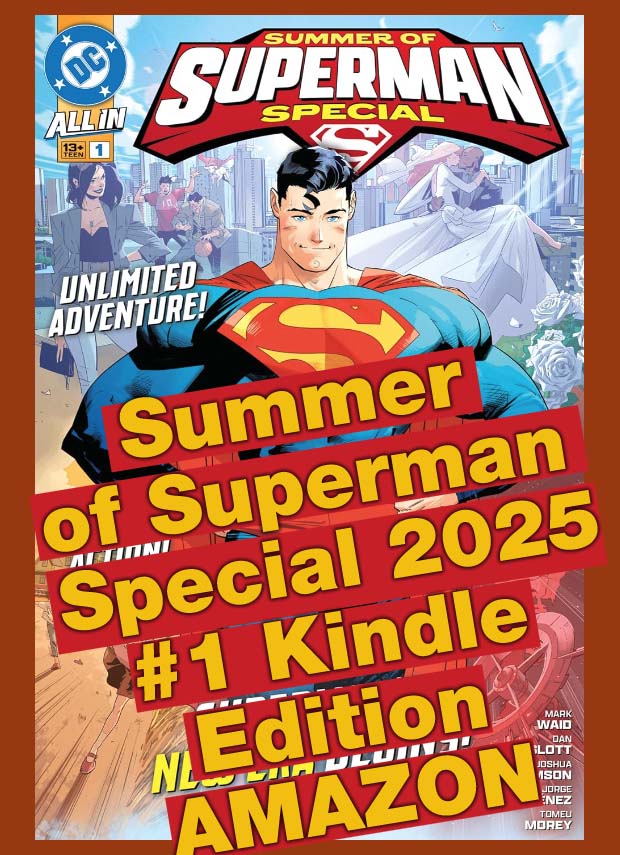
(*This outfit was sometimes referred to as a 'union suit' which was a then common form of winter underwear in which the top and bottom were fused together in 'union' as a single garment. This concept of the union suit as superhero-wear was particularly parodied early on in the original version of the "Ma Hunkel" Red Tornado, 1939, All-American Comics #3, by Sheldon Mayer.)
The Cape
Hollywood films of the period featured capes in many action films based in historical periods. Many such films featured at least one scene of the hero's cape billowing in the wind: a quasi-flag, a knights pennant, and a physical object demonstrating action, speed, and the emotion of the adventure, if not the interior feeling of a typically stoic hero who reveals little outwardly about the trials and trauma of the situation. Simply put, the cape is often a stand-in symbol of emotion or situation.
Color
Action Comics #1 (and comics in general) took advantage of the four-color printing process that helped separate comic books from the competition of black and white illustrated books/magazines and reminded the reader (primarily young people) of the large Sunday color editions of comic strips that were published by most newspapers and were extremely popular.
The physical dimensions of the first comic books were derived directly from maximizing the number of saddle-stitched booklets possible from the folding of paper run through the web presses used to print newspapers. The unusual size helped separate comic books from magazines (and the adult audience and concerns that populated them), and the smaller size made for better cost ratios for the publishers as it simply used less paper and the "set-up" costs for printing were reduced.
Attitude
The cheerful but frequently smart-aleck attitude of this model of the hero is probably best condensed in the 1938 color film Robin Hood film with Errol Flynn, in which the titular character fights corruption, various bad guys, rescues people (and the film's heroine) while also delivering carefully written bits of dialogue that both make fun of the bad guys while also making light of the danger that is afoot. This attitude of defiance, usually without anger, made the hero both ethically true without being self-righteous.
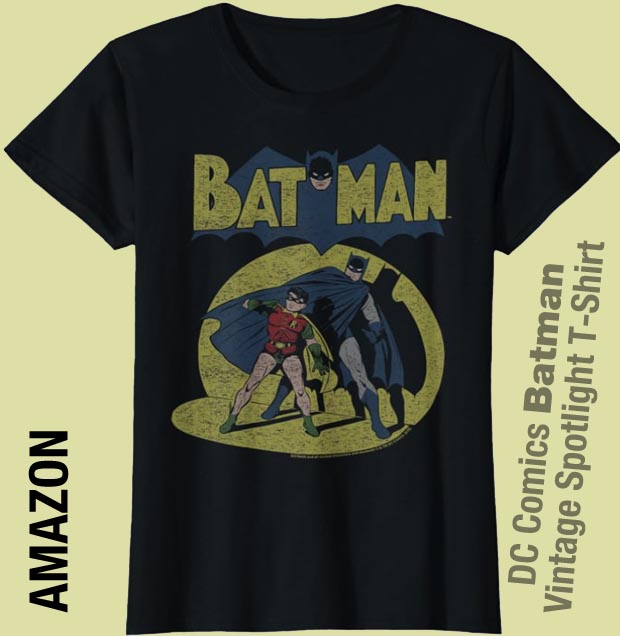
Batman soon followed after Superman, but rather than science fiction and the simplified power fantasy that no hoodlum gangster could withstand, creator Bob Kane (and Bill Finger and Jerry Robinson) transplanted old-world Gothicism, urban terror and a big black cape onto the wealth-fantasy of Bruce Wayne, orphaned millionaire who dedicates himself to a higher purpose (or simple revenge, depending upon the point of view of later writers).
Comic Book Movies
The Coming Comic Book Movies 2025-2026
Top Earning Comic Book Superhero Movies
Screen Reviews
Thunderbolted - 2025 - what's wrong with this movie?
Review of Daredevil Born Again
Captain America: Brave New World
Short Review: She-Hulk, Attorney-at-Law
Fast review: Dungeons and Dragons: Honor Among Thieves
Dungeons and Dragons Honor Among Thieves – a Film with antecedents – Harry Potter plus Guardians of the Galaxy plus Lord of the Rings, etc.
Fast review: Dungeons and Dragons: Honor Among Thieves
Dungeons and Dragons Honor Among Thieves – a Film with antecedents – Harry Potter plus Guardians of the Galaxy plus Lord of the Rings, etc.
You will see Amazon links on this web site because I am an Amazon affiliate. I earn from qualifying purchases.
Original Page May 2012 | Updated May 25, 2021